Keynotes
EPICOH Lifetime Award
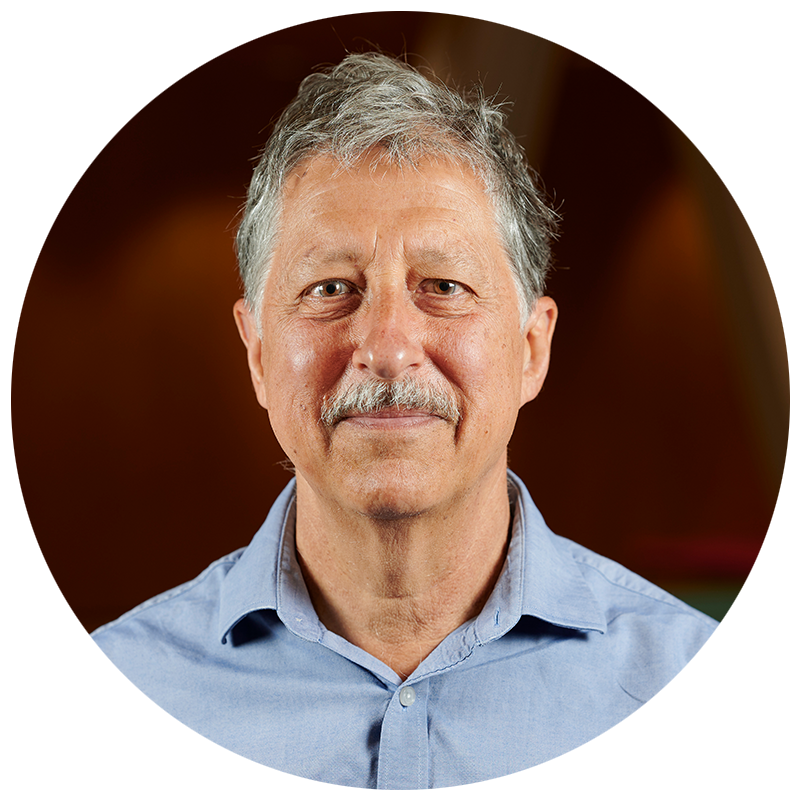
Manolis Kogevinas, MD, PhD
ISGlobal, Barcelona, Spain
From social change to scientific evidence and back to society
Keynote Abstract
I will reflect on how a desire to contribute to social change led me to a career in occupational and environmental epidemiology. Along the way, I came to appreciate both the power and the limitations of science in understanding and addressing the major health challenges facing society.
I will discuss themes that shaped my work in occupational health research, including studies of night shift work: the importance of asking meaningful questions, developing strong hypotheses, improving exposure assessment, and integrating biological understanding into population research. I will reflect on how advances in the exposome expanded our ability to understand the links between work and health, and highlight the continuing need to translate scientific evidence into societal benefit.
Looking back, these years of work in occupational epidemiology have reinforced my belief that the ultimate value of science lies not only in generating knowledge, but also in helping society ask better questions and make better decisions about health and well-being. In retrospect, I realise that the questions that motivated me at the beginning have remained surprisingly constant. The ways I have tried to answer them have changed profoundly.
Background
Manolis Kogevinas, MD, PhD, is Professor Emeritus of Epidemiology at the Barcelona Institute for Global Health (ISGlobal). He trained in Athens and London and held positions at the International Agency for Research on Cancer (IARC/WHO), the Medical School in Crete, and other centres. His research focuses on the role of occupational, environmental, and genetic factors in non-communicable diseases (NCDs). In recent years, he has concentrated on the health effects of circadian disruption. He has authored over 800 indexed scientific publications and has served on numerous expert committees and review panels. He is a former President of the International Society for Environmental Epidemiology (ISEE) and former Secretary of the EPICOH Executive. He is committed to public health and is active in Europe and globally in translating research findings into health policy.
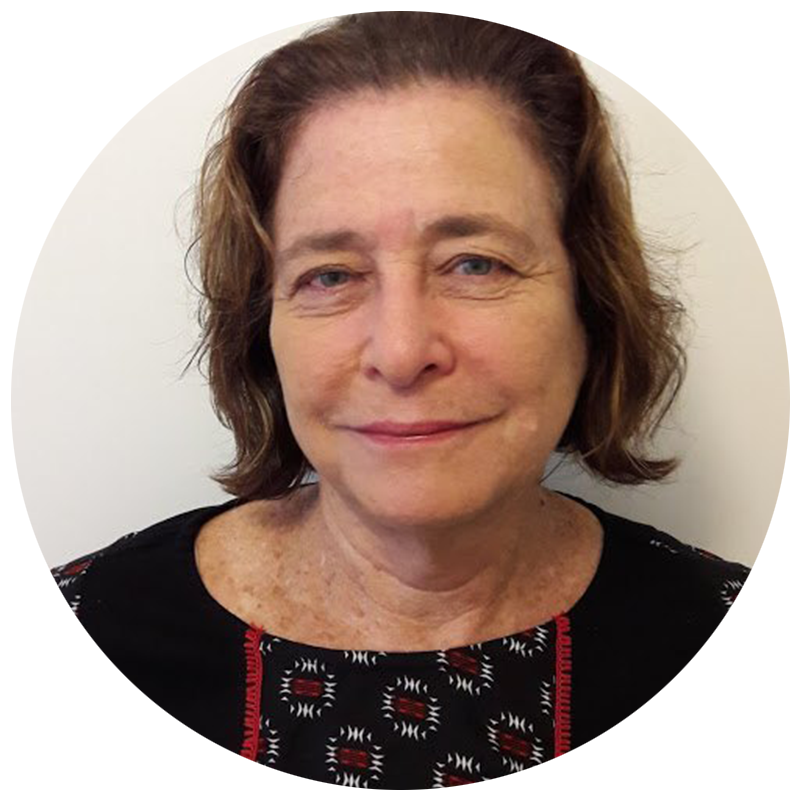
Frida Marina Fischer, PhD
University of São Paulo, Brazil
New times, old challenges, public policies and outcomes on workers’ health in Brazil
Keynote Abstract
New times bring new challenges. Rapid technological change, platform-based work, ageing workforce, climate-related hazards, psychosocial risks, and the expansion of precarious employment are reshaping the world of work and creating new demands for occupational health policies and practices.
Over the past decades, Brazil has developed one of the world’s most comprehensive health public frameworks – the Unified Health System (SUS). Workers’ health has been integrated into the SUS, recognising work as a key social determinant of health. This has been accompanied by longstanding and newly implemented national policies, including labour inspection regulations and occupational safety and health programmes.
Despite the expansion of social protection systems across several government sectors and the continuous development of regulatory frameworks, work-related injuries and diseases remain a significant public health challenge. Their impact extends beyond the health sector, affecting social security systems, labour relations, and economic productivity.
This lecture will provide an overview of occupational health outcomes in Brazil, highlighting key epidemiological indicators and the institutional responses developed to protect workers’ health and safety. It will also examine contemporary challenges, including the surveillance of occupational health problems, persistent underreporting of work-related events, and the need for stronger coordination among the health, labour, and social security sectors.
Background
Frida Marina Fischer is a Senior Professor at the Department of Environmental Health, School of Public Health, University of São Paulo, Brazil. Her main research interests include work organization, aging and work, psychosocial factors, and work-related injuries and diseases. She is a former two-term president of the Working Time Society, former Chair of the ICOH Scientific Committee on Shiftwork and Working Time, and served on the ICOH Board for two triennials. She currently coordinates the ICOH Working Group on “Demographic changes, inequalities and future of decent work.”

Theo Bodin, MD, PhD
Karolinska Institutet, Sweden
The New World of Work: Emerging Challenges for Occupational Epidemiology in a hyperflexible labor market
Keynote Abstract
The nature of work is undergoing profound transformation. Digitalization, algorithmic management, platform-based labour, non-standard employment arrangements, and increasing labour market flexibility are reshaping how work is organized, experienced, and regulated. While these changes create new opportunities, they also raise important concerns regarding job security, psychosocial working conditions, occupational safety, and health inequalities.
This keynote will examine how occupational epidemiology can respond to the rapidly evolving world of work. Drawing on emerging evidence from studies of precarious employment, gig and platform work, and digitally managed workplaces, the presentation will discuss how traditional occupational risk frameworks may need to be reconsidered in contexts characterized by fragmented employment relations, multiple job holding, fluctuating schedules, and reduced employer responsibility.
The keynote will further address key methodological and conceptual challenges for occupational epidemiology, including exposure assessment in non-standard work arrangements, measuring employment quality, studying dynamic and unstable work trajectories, and identifying vulnerable worker populations. Finally, the talk will reflect on how occupational epidemiology can remain relevant in a labour market increasingly shaped by technological change, artificial intelligence, and shifting employment models.
Background
Theo Bodin, MD, PhD, is Associate Professor in Occupational and Environmental Medicine at the Institute of Environmental Medicine, Karolinska Institutet, Sweden, and Director of the Center for Occupational and Environmental Medicine in Region Stockholm. His research focuses on the changing world of work and its implications for health, particularly precarious employment, non-standard work arrangements, platform work, algorithmic management, and occupational inequalities. He leads several international research initiatives examining how labour market transformations, digitalization, and employment quality influence occupational health and safety. Dr. Bodin has coordinated large epidemiological studies using national register data and mixed-methods approaches and is actively involved in international collaborations on sustainable work, platform economy, and the future of work.
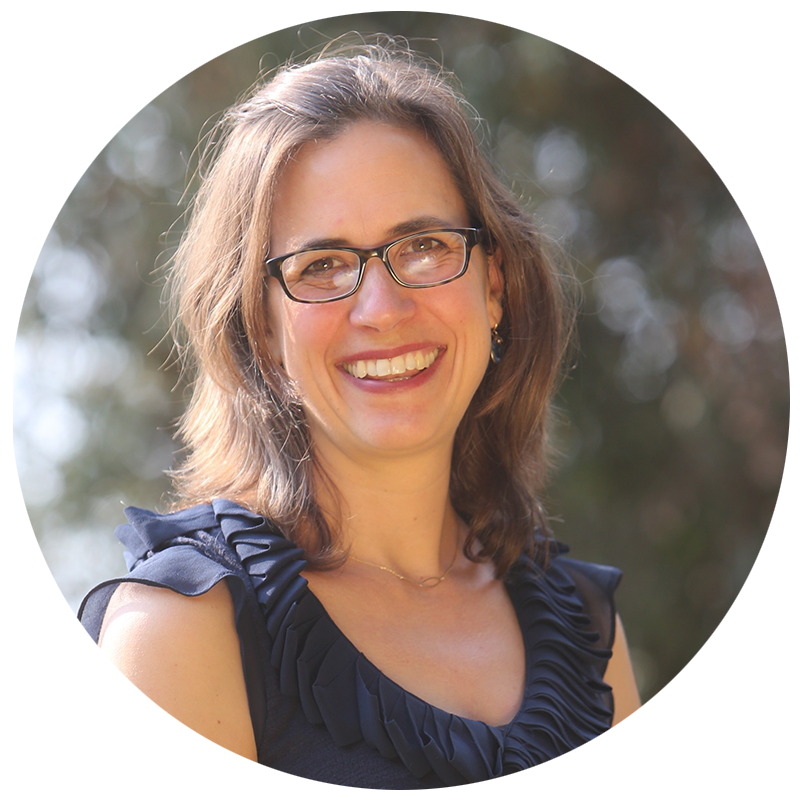
Sadie Costello, MPH, PhD
UC Berkeley School of Public Health, USA
Untangling the Healthy Worker Survivor Effect: Holistic Approaches to Protect Workers from Harm
Keynote Abstract
The Healthy Worker Survivor Effect (HWSE) presents a critical dilemma for occupational epidemiologists: the attenuation of exposure-response relations that masks workplace hazards and leaves workers vulnerable. This keynote addresses HWSE using a practical, causal framework to unpack the complex components, including confounding, mediation, self-selection, collider bias, and effect measure modification, and present a range of options for navigating this ubiquitous bias.
Because HWSE can operate both before and during follow-up, its timing dictates the specific methods required to prevent the underestimation of risk. This talk will explore the practical impact of these timing dynamics on study results, provide actionable strategies to assess whether HWSE is operational within a dataset, and outline how to critically interpret published literature in which this bias remains uncorrected.
Ultimately, while advanced causal inference statistical methods offer theoretical solutions, they have yet to shape actual health policy. To bridge this gap, this address advocates for a vital shift in perspective. In addition to causal inference statistical methods, Dr. Costello will outline a holistic, practical approach to addressing HWSE—one designed to more effectively translate academic evidence into the robust public policy needed to protect worker health.
Background
Sadie Costello, MPH, PhD, is an associate professor at the University of California, Berkeley School of Public Health, where she also serves as the associate director of the Northern California Center for Occupational and Environmental Health and the research director for the Labor Occupational Health Program. As an occupational epidemiologist, Dr. Costello has studied a range of chronic disease outcomes, including heart disease and cancer, in relation to occupational exposure to hazards including metalworking fluids, diesel exhaust, silica, and ethylene oxide. Her primary research focus is on methods to address the healthy worker survivor effect and on using large administrative datasets to answer causal research questions. Complementing her methodological work, Dr. Costello conducts community-engaged research among California workers to inform pressing policy issues, including wage theft and heat illness.
Important dates
4-17 May 2026 – Late-Breaking abstract submission opens
27 May 2026 – Deadline Early Bird
24-27 August 2026 – Conference dates
Contact us
Conference Secretariat:
Academic Conferences
Email: EPICOH2026@akademikonferens.se
Phone: +46 18 67 10 34 or +46 18 67 10 03
Local Organiser, Karolinska Institutet
Jenny Selander, chair
Maria Albin
Theo Bodin
Emma Brulin
Daniel Falkstedt
Katarina Kjellberg
Kevin Skogh
Miranda Beck
Professional Congress Organiser